
How Do I Get Enough Protein on a Plant-Based Diet?
You want to eat healthier
You’re aiming for more energy, a stronger body, and to feel better. But there’s still that lingering question: “Isn’t protein mostly found in meat, eggs, and dairy? Will I get enough if I eat plant-based?”
That uncertainty can hold you back and make you doubt whether shifting toward a plant-based lifestyle is right for you. Maybe you’re worried about losing muscle, feeling less full after meals, or seeing your athletic performance decline.
At Plants for Health, we help you let go of those concerns and make the shift with confidence. Not only is it entirely possible to get enough protein from plant-based sources—science shows that it even comes with added health benefits. By choosing nutrient-rich plant proteins, you’ll support your muscles and build a stronger, healthier body.
How Much Protein Do You Need?
Protein is the building block of your body. It helps with muscle repair and growth, supports your immune system, and keeps you feeling full for longer after meals. But how much do you actually need?
For most people 1 to 1.2 grams of protein per kilogram of healthy body weight is plenty. For example, a woman weighing 60 kg would need about 60–72 grams of protein per day. That might sound like a lot, but with the right food choices, it’s easier to reach than you think!
Great Plant-Based Protein Sources
If you eat mainly or entirely plant-based, it’s absolutely possible to get all the protein you need. Plenty of plant-based foods are rich in protein, such as:
- Legumes like lentils, chickpeas, black beans, and edamame
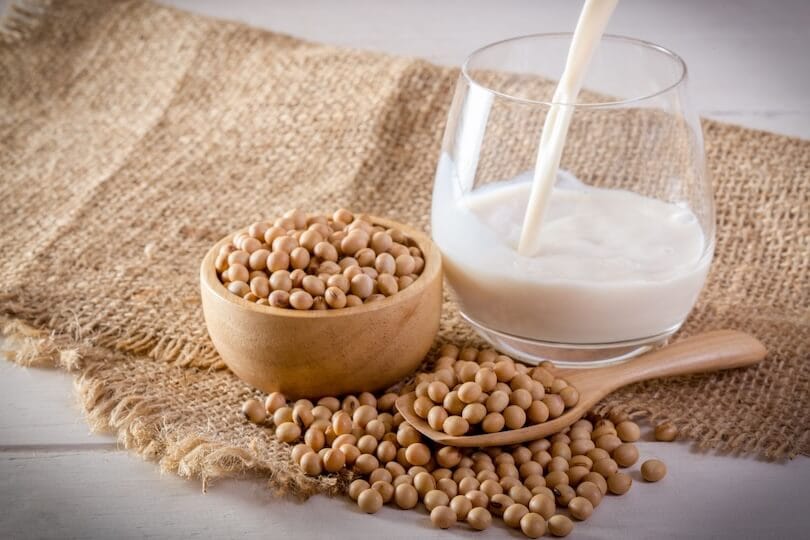
- Plant-based dairy from soy or peas (e.g. soy yogurt, pea milk, soy milk)
- Tofu and tempeh
- Seitan (a high-protein meat substitute made from wheat protein)
- Nutritious ready-made meat alternatives
- Nuts and seeds
- Whole grains, such as whole wheat bread and quinoa
- Plant-based protein powders, especially those made from soy or peas
If you include one or more of these sources in your main meals, you’ll already be well on your way. A hearty lentil salad, a creamy chickpea curry, or a tofu stir-fry—it’s all possible! You can also include protein-rich snacks like a handful of unsalted nuts or a bowl of soy yogurt.
Plant-Based Protein and Strength Training
There’s a common myth that you need animal protein to build muscle. But that’s not true. Studies show that a plant-based diet with the same amount of protein (1.6 g/kg body weight) is just as effective for muscle growth as a diet rich in animal proteins. Whether you get your protein from legumes and soy products or from chicken and whey, as long as your total protein intake is sufficient, you’ll see the same gains in muscle mass and strength (1).
We hope this article has shown you that healthy eating doesn’t have to be complicated. By following the tips in this post, you’ll have more energy throughout the day, feel good in your body, and easily meet your protein needs—without stress or complicated meals.
Want more science-based tips and delicious high-protein recipes to help you reach your daily goals with ease? Order our Plants for Health book.
Sources
Hevia-Larraín, V., Gualano, B., Longobardi, I., Gil, S., Fernandes, A. L., Costa, L. A. R., Pereira, R. M. R., Artioli, G. G., Phillips, S. M., & Roschel, H. (2021). High-Protein Plant-Based Diet Versus a Protein-Matched Omnivorous Diet to Support Resistance Training Adaptations: A Comparison Between Habitual Vegans and Omnivores. Sports medicine (Auckland, N.Z.), 51(6), 1317–1330.
Did you find this article helpful? Would you like to work with the experts at Plants for Health on improving your health? Our lifestyle program provides tailored guidance, practical tools, and evidence-based strategies shown to be effective. So you can make lasting changes to your lifestyle.