
Is Cow’s Milk Healthy?
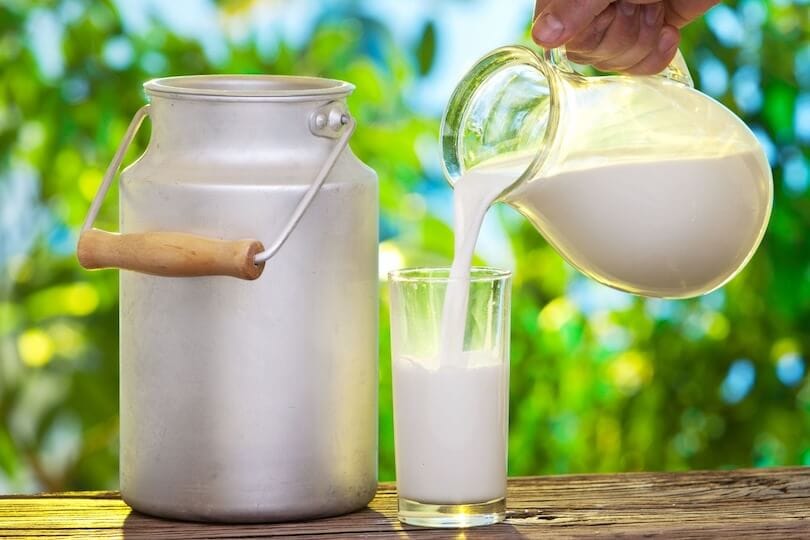
Is milk healthy or not? Some say you should drink it daily for strong bones, while others warn about its negative effects. And every few months, a new article comes out saying something different. No wonder it’s hard to know what to believe. That confusion can be frustrating and make you feel like you’ve lost control over your health.
At Plants for Health, we understand how unsettling that can be. We believe you can make better choices when you have access to honest, evidence-based information. No hype, no half-truths—just proven facts that actually work. We translate that knowledge into practical tips and achievable steps, so you can improve your health with confidence.
Today, we’re looking at one of the most talked-about foods: cow’s milk. Is it healthy? Do you need it? And are there nutritious plant-based alternatives? You’ll find out in this article.
The Health Benefits of Cow’s Milk
A recent large-scale study suggested that dairy might help protect against colon cancer. However, the researchers noted that this effect was largely—or even entirely—due to the calcium in milk (1). So yes, milk contains valuable nutrients like calcium and protein, but do we actually need it?
Calcium
Calcium is important—but cow’s milk isn’t the only source. When it comes to colon cancer risk, it’s the total amount of calcium that matters, not the specific source. People who take calcium supplements also have a lower risk of colon cancer (2).
Good to know: one glass of fortified soy or pea milk contains just as much calcium as cow’s milk. You can also get calcium from:
- Dark leafy greens (like kale and bok choy)
- Nuts and seeds (especially sesame seeds and almonds)
- Legumes (such as white beans and chickpeas)
- Dried figs
- Other fortified plant-based dairy alternatives, like soy yogurt or soy quark
Note: Organic soy milk is usually not fortified with calcium—so always check the label.
What About Protein?
You don’t need cow’s milk for protein either. Soy milk (and other soy- or pea-based plant drinks) contain just as much protein as cow’s milk.
Important: plant drinks made from oats, almonds, rice, or coconut often contain calcium, but very little protein. They’re great for a cappuccino—but not ideal as a base for breakfast or lunch.
Drawbacks of Drinking Cow’s Milk
So, are there downsides to cow’s milk? Yes, and science backs that up. Research has shown (3):
- Whole milk is high in saturated fat, which can raise ‘bad’ LDL cholesterol
- Despite its calcium content, milk does not reduce the risk of bone fractures
- Replacing animal protein with plant protein may lower the risk of early death
- Cow’s milk is linked to a higher risk of prostate cancer
- Many people have difficulty digesting lactose, the sugar in milk—this can cause bloating, gas, and diarrhea
- Cow’s milk contains hormones and growth factors that may negatively affect the body
And let’s not forget: milk is far from sustainable. Producing 1 liter of cow’s milk requires three times more water, land, and greenhouse gas emissions than producing 1 liter of soy milk (4)
The Bottom Line
You don’t need cow’s milk to stay healthy. You do need calcium and protein—and you can easily get those from whole, plant-based alternatives like fortified soy milk.
In fact, soy may lower inflammation, improve cholesterol and blood sugar levels, and even protect against several types of cancer. Good for your body and better for the planet.
When you know what’s backed by science, you don’t get swept up in every new headline or nutrition trend. You feel more confident in your choices. You gain peace of mind around food, because you know you’re giving your body what it needs. No more second-guessing every bite or sip—just confidence. And that brings freedom: the freedom to enjoy what’s on your plate—and life itself.
Tired of wondering what’s actually healthy? In our evidence-based program you only find trustworthy information.
Sources
1. Papier, K., Bradbury, K. E., Balkwill, A., Barnes, I., Smith-Byrne, K., Gunter, M. J., Berndt, S. I., Le Marchand, L., Wu, A. H., Peters, U., Beral, V., Key, T. J., & Reeves, G. K. (2025). Diet-wide analyses for risk of colorectal cancer: prospective study of 12,251 incident cases among 542,778 women in the UK. Nature communications, 16(1), 375.
2. Zouiouich, S., Wahl, D., Liao, L. M., Hong, H. G., Sinha, R., & Loftfield, E. (2025). Calcium Intake and Risk of Colorectal Cancer in the NIH-AARP Diet and Health Study. JAMA network open, 8(2), e2460283.
3. Willett, W. C., & Ludwig, D. S. (2020). Milk and Health. The New England journal of medicine, 382(7), 644–654.
4. Poore, J., & Nemecek, T. (2018). Reducing food’s environmental impacts through producers and consumers. Science (New York, N.Y.), 360(6392), 987–992.
Did you find this article helpful? Would you like to work with the experts at Plants for Health on improving your health? Our lifestyle program provides tailored guidance, practical tools, and evidence-based strategies shown to be effective. So you can make lasting changes to your lifestyle.