
Lifestyle and cardiovascular disease
What can you do yourself?
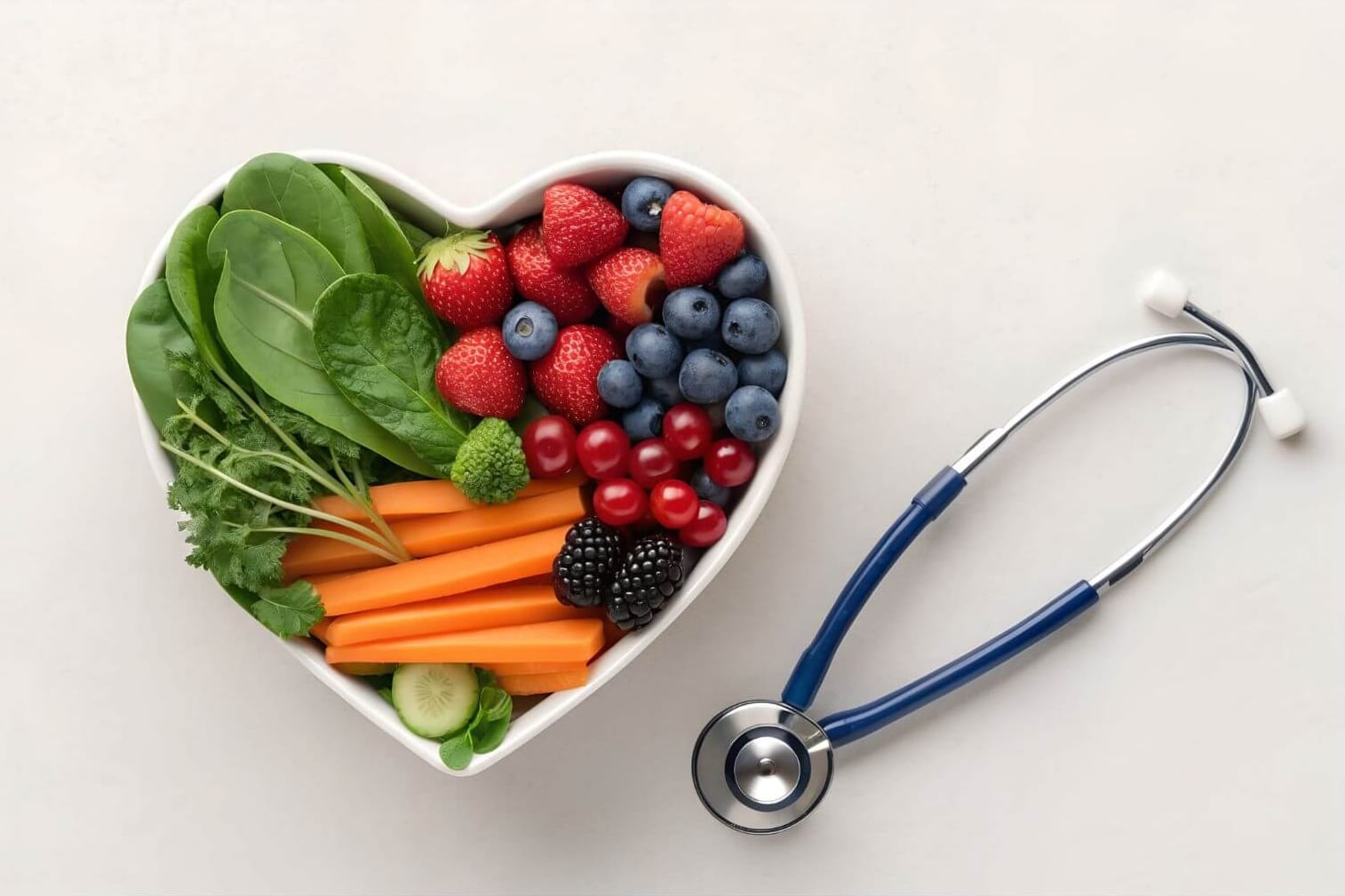
Chest pain, shortness of breath, or feeling easily fatigued: these are symptoms many people with cardiovascular disease recognize. Even everyday activities like climbing stairs, grocery shopping, or walking can become challenging and require a lot of energy.
Today, cardiovascular diseases can fortunately be treated effectively with medication. These medications help for risk reduction and to alleviate symptoms. However, they often come with side effects and, importantly, they do not address one of the main underlying causes of heart disease: an unhealthy lifestyle.
You may be wondering what else you can do, alongside standard treatment, to reduce your symptoms and support your heart. The good news is that a healthy lifestyle can significantly lower your risk of cardiovascular disease and reduce the likelihood of future heart problems. In fact, it is estimated that more than 80% of cardiovascular disease cases could be prevented through a healthy lifestyle. Living healthily can also help you feel stronger and more energetic, and may even reduce your need for medication.
Discover below what you can do to keep your heart and blood vessels healthy.
How do cardiovascular diseases develop?
Cardiovascular diseases are the leading cause of death worldwide and place a significant burden on global health. In 2022, an estimated 19.8 million people died from cardiovascular diseases, accounting for approximately 32% of all deaths globally. Of these, 85% were due to heart attacks and strokes.
Most cardiovascular diseases are caused by atherosclerosis, also known as the hardening of the arteries. This process involves the buildup of deposits (plaques) in the arteries, making the vessel walls stiffer and narrower.
A major driver of atherosclerosis is elevated LDL cholesterol (often referred to as “bad” cholesterol). LDL cholesterol can accumulate in the arterial walls, accelerating plaque formation. As blood vessels narrow, the heart has to work harder, increasing the risk of cardiovascular disease.
People with rheumatic diseases have a higher risk of cardiovascular disease. This is partly due to chronic inflammation, which can damage the blood vessel walls and promote the development of atherosclerosis.
Nutrition and cardiovascular disease
What you eat has a major impact on the health of your heart. With the right dietary choices, you can lower your LDL cholesterol and reduce inflammation. The good news: eating a predominantly whole-food, plant-based diet significantly reduces the risk of cardiovascular disease.
The Portfolio Diet
The powerful impact of nutrition is illustrated by research on the Portfolio Diet. This dietary pattern was specifically designed to lower cholesterol levels. It is rich in foods and nutrients known for their cholesterol-lowering effects:
- Nuts
- Plant-based protein sources
- Soluble fiber
Plant sterols (which reduce cholesterol absorption in the intestine and lower blood cholesterol levels)
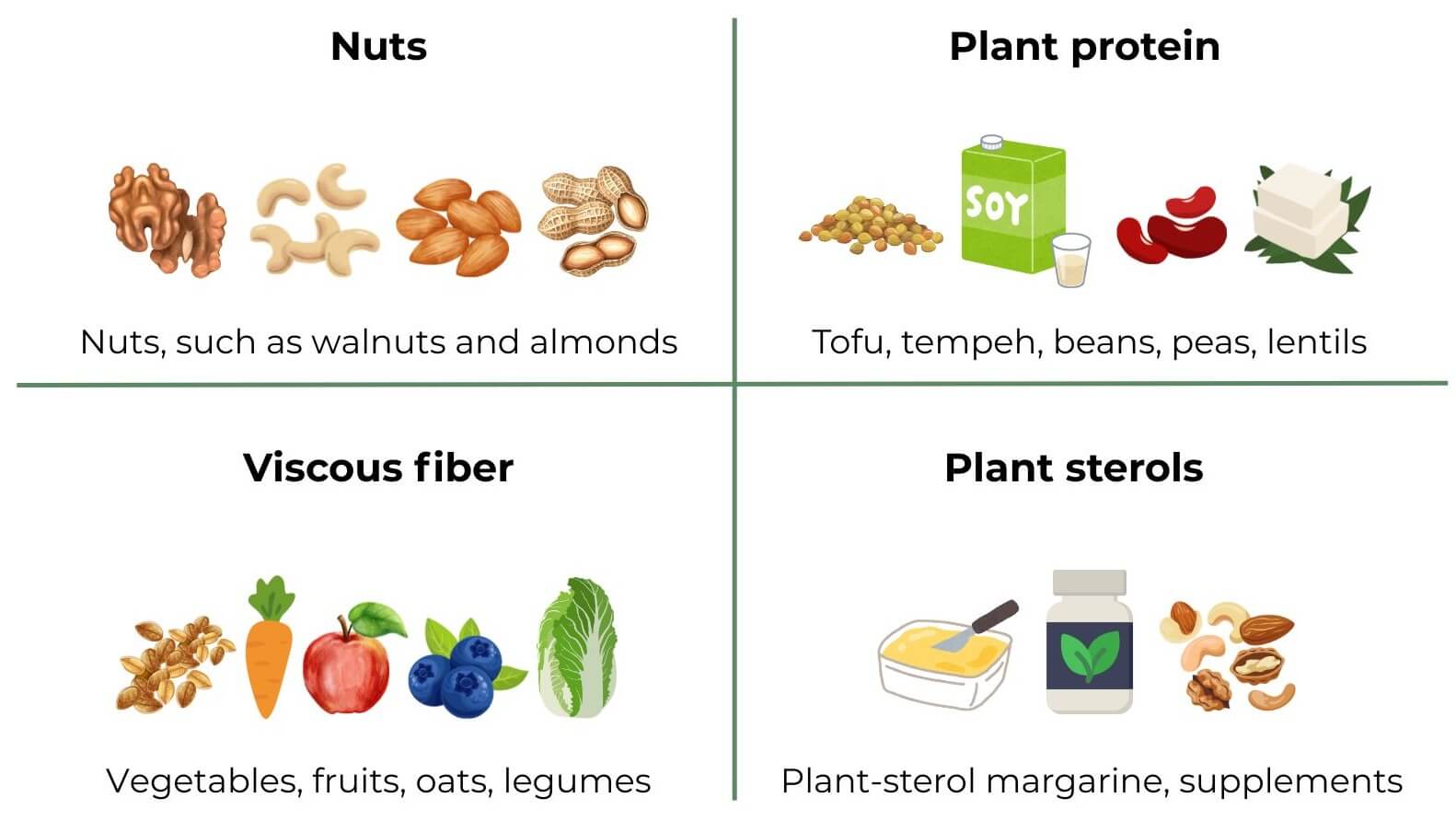
Image: The Portfolio Diet
Researchers found that the Portfolio Diet can lower LDL cholesterol to a similar extent as certain statins, medications commonly prescribed for high cholesterol.
Your diet is therefore a powerful tool to support heart and vascular health. Below are some practical, evidence-based nutrition tips.
3 nutrition tips to lower your risk of cardiovascular disease
– Limit foods high in saturated fat
Saturated fat raises LDL cholesterol and increases the risk of cardiovascular disease. It is commonly found in meat, cheese, butter, and full-fat dairy, as well as in highly processed foods such as pastries, cookies, and sauces. Coconut and palm oil are also high in saturated fat and are often used in plant-based cheeses and desserts.
Replace foods high in saturated fat with foods rich in unsaturated fats, such as nuts, seeds, avocado, olives, and liquid plant oils (e.g., olive, sunflower, or canola oil). Your heart will thank you.
– Eat oats daily
Aim to eat at least 40 grams of oats or oat flour daily. Oats contain beta-glucans, specific soluble fibers that effectively lower blood cholesterol levels.
– Aim for 800 grams of fruits and vegetables per day
Fruits and vegetables are rich in soluble fiber, which helps lower LDL cholesterol. Does 800 grams sound like a lot? Don’t worry. Research shows that every additional 200 grams of fruits and vegetables improves (heart) health. It doesn’t have to be perfect, every extra portion counts.
Other lifestyle factors
In addition to healthy eating, there are other important ways to support your heart. Avoid or limit alcohol and quit smoking, these are powerful steps to reduce your cardiovascular risk.
Regular physical activity is also essential. Try to meet physical activity guidelines, with a focus on cardiovascular exercise. Activities such as brisk walking, cycling, or other moderate-intensity exercise can help lower cholesterol levels.
Lifestyle and cardiovascular disease: it truly makes a difference
Your heart works hard for you day and night. Yet we often only realize its importance when something goes wrong. It’s time to give your heart the attention it deserves.
By making changes to your lifestyle, you can achieve significant improvements: lower cholesterol, healthier blood pressure, and a reduced risk of cardiovascular disease. You’ll notice the difference in daily life—you’ll feel more energetic, fitter, and have more freedom to enjoy life with the people who matter to you.
You don’t have to do it alone. Our science backed Plants for Health lifestyle program guides you step by step toward a healthier lifestyle—practical, sustainable, and at your own pace.
Ready to take control of your health? Click here to learn more about our program.
Sources
- World Health Organization. (2025, July 31). Cardiovascular diseases (CVDs). Retrieved February 25, 2026, from https://www.who.int/news-room/fact-sheets/detail/cardiovascular-diseases-(cvds).
- Willett W. C. (2002). Balancing life-style and genomics research for disease prevention. Science (New York, N.Y.), 296(5568), 695–698.
- Ornish, D., Scherwitz, L. W., Billings, J. H., Brown, S. E., Gould, K. L., Merritt, T. A., Sparler, S., Armstrong, W. T., Ports, T. A., Kirkeeide, R. L., Hogeboom, C., & Brand, R. J. (1998). Intensive lifestyle changes for reversal of coronary heart disease. JAMA, 280(23), 2001–2007.
- Fernández-Friera, L. et al. (2017). Normal LDL-cholesterol levels are associated with subclinical atherosclerosis in the absence of risk factors. Journal of the American College of Cardiology, 70(24), 2979–91.
- Clarke, R., Frost, C., Collins, R., Appleby, P. and Peto, R. (1997). Dietary lipids and blood cholesterol: Quantitative meta-analysis of metabolic ward studies. BMJ, 314(7074), 112.
- Jenkins, D. J. et al. (2005). Direct comparison of a dietary portfolio of cholesterol-lowering foods with a statin in hypercholesterolemic participants. American Journal of Clinical Nutrition, 81(2), 380–7.
- Gigleux, I. et al. (2007). Comparison of a dietary portfolio diet of cholesterol-lowering foods and a statin on LDL particle size phenotype in hypercholesterolaemic participants. British Journal of Nutrition, 98(6), 1229–36.
- Aune, D., Giovannucci, E., Boffetta, P., Fadnes, L. T., Keum, N., Norat, T., Greenwood, D. C., Riboli, E., Vatten, L. J., & Tonstad, S. (2017). Fruit and vegetable intake and the risk of cardiovascular disease, total cancer and all-cause mortality-a systematic review and dose-response meta-analysis of prospective studies. International journal of epidemiology, 46(3), 1029–1056.
Did you find this article helpful? Would you like to work with the experts at Plants for Health on improving your health? Our lifestyle program provides tailored guidance, practical tools, and evidence-based strategies shown to be effective. So you can make lasting changes to your lifestyle.